Do nails need a break? The question usually arrives with the breathing theory attached: nails need air, polish suffocates them, a few bare weeks will let them recover. In Kannapolis the question also arrives in January, when clients who have worn color since September wonder whether the dry, flaky tips they are seeing mean the nails need time off. The theory is wrong in its mechanism and sometimes right in its advice, which is exactly why it survives. Here is the sorting, myth by myth, and then the practical answer about breaks that the myths obscure.
The breathing myth, sorted
| Claim | Verdict | What is actually going on |
|---|---|---|
| Nails breathe and take in oxygen from the air | False | The nail plate is dead keratin with no lungs, pores for air, or living cells. Oxygen and nutrients reach the growing nail through the bloodstream in the nail bed and matrix. |
| Polish suffocates the nail | False | Polish coats a surface that does not respire. It can stain, dry out the surface through its removers, and hide changes, but it blocks no supply the nail depends on. |
| A break lets nails recover | Partly true | A break stops repeated remover exposure and makes daily oiling easy. Recovery of a damaged section still requires it to grow out, coated or not. |
| Wearing product constantly thins nails | Misleading | Thinning traces to over-filing at prep and to peeling or prying off product, which strips plate layers. Wear alone, with proper removal, does not thin the nail. |
| Bare nails are healthier nails | It depends | A bare nail is easier to inspect and moisturize but has no protection. For hands in water and work all day, a coating can protect better than bare wear. |
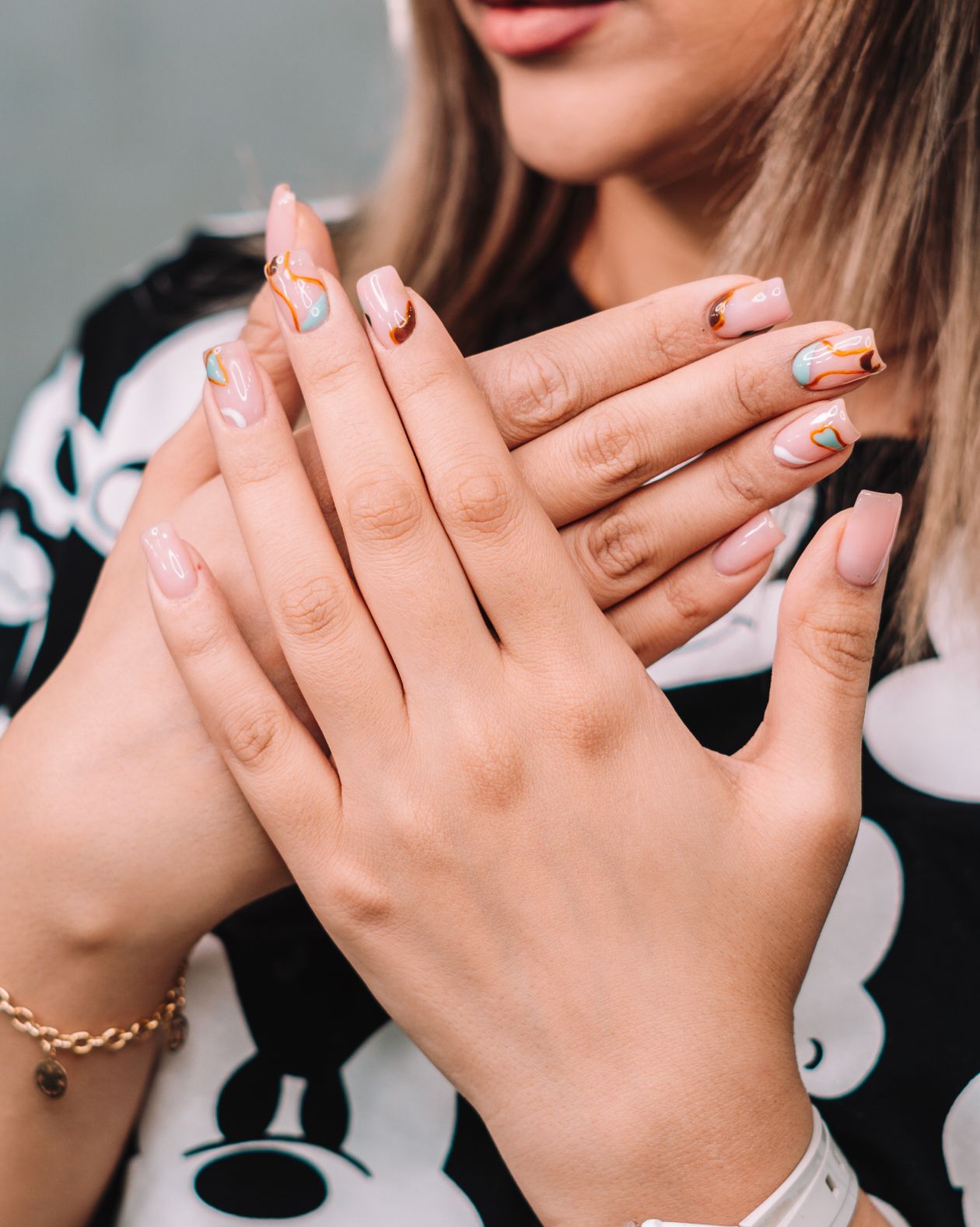
What nails are made of, in one paragraph
The matrix, hidden under the skin fold at the base, produces keratin cells that harden and flatten as they move forward, forming the plate. That growing zone is alive and blood-fed; everything past it is a finished material, like the shaft of a hair. This is why a bruise or a white mark made today travels toward the tip over the following months and eventually files off: the plate is a conveyor, not a tissue. Anything that genuinely improves the nail, better nutrition, less trauma at the cuticle, shows up first in the new section at the base and takes a full growth cycle, roughly six months for a fingernail, to replace what you see now.
What a break actually fixes
A break from product fixes the problems that product routines cause around the nail rather than in it. Removers dry the plate and the surrounding skin, especially with frequent changes; a bare stretch lets oil and moisturizer restore flexibility. A break also forces inspection: color hides thickening, lifting, and stains, and a bare month each year is a reasonable check-in, similar to looking at toenails between winter polishes. And a break gives peeling damage a chance to be grown out under oil and gentle filing rather than sealed under fresh product that will lift on the weak layers anyway.
What a break does not fix is damage already in the plate: a thinned section, a split running lengthwise, a bruise. Those leave by growth, at the same speed whether the nail is bare or under a protective overlay. For some people, particularly those whose work batters bare nails, wearing a structured overlay through the grow-out is the safer version of a break, since the damaged section is protected while it travels to the tip.
So the honest answer at Sue's Nail Shop in Kannapolis is that nails do not need a break the way the myth means it, but people sometimes do: a pause to inspect, to oil, to let a damaged stretch grow out, or simply because bare nails suit the season. Take the break for those real reasons and it will do you good. Skip it without guilt when your sets are applied gently, removed properly, and your nails feel strong, because your nails were never holding their breath.
Common questions
How long should a break be if I take one?
Long enough to inspect and rehydrate, which is two to four weeks for most people. Growing out real damage takes months and can be done under a protective coating instead.
Why do my nails feel weaker right after product comes off?
Two reasons: the contrast with the hard coating you got used to, and surface dryness from remover. Oil and a few days of normal wear usually close most of the gap.
Is it better to go bare or wear an overlay while damage grows out?
It depends on your hands. Office hands often grow damage out bare with oil; hands in water, cleaning, or manual work usually protect the weak section better under an overlay.
Photos in this guide are representative stock images.
← All guides from Sue's Nail Shop← Back to Sue's Nail Shop