Two to three weeks is the standard answer for how long a set lasts, and it misleads almost everyone, because a set has two lives: how long it stays attached, and how long it looks fresh. A manicure can be firmly on at week four and still be past its best, with grow-out at the cuticle, a shifted stress point, and tips worn thin. This comparison for Kannapolis readers separates the systems by realistic wear, then lists the habits that shorten a set's life fastest, because most early failures trace to the wearer and the week, not the product.
Realistic wear, system by system
| System | Looks fresh | Needs attention | What ends the run |
|---|---|---|---|
| Gel polish on natural nails | About 2 weeks | 2 to 3 weeks | Tip wear and grow-out; chips start at the free edge |
| Builder gel overlay | 2 to 3 weeks | Fill at 3 weeks | Grow-out moves the apex forward, raising break risk |
| Dip powder | 2 to 3 weeks | Removal and redo around 3 weeks | Grow-out and edge cracking; dip is seldom filled |
| Acrylic full set | 2 to 3 weeks | Fill at 2 to 3 weeks | Lifting at the edges if fills are stretched too far |
| Regular polish | 3 to 7 days | Weekly change | Chipping at the tips from ordinary hand use |
What shortens a set
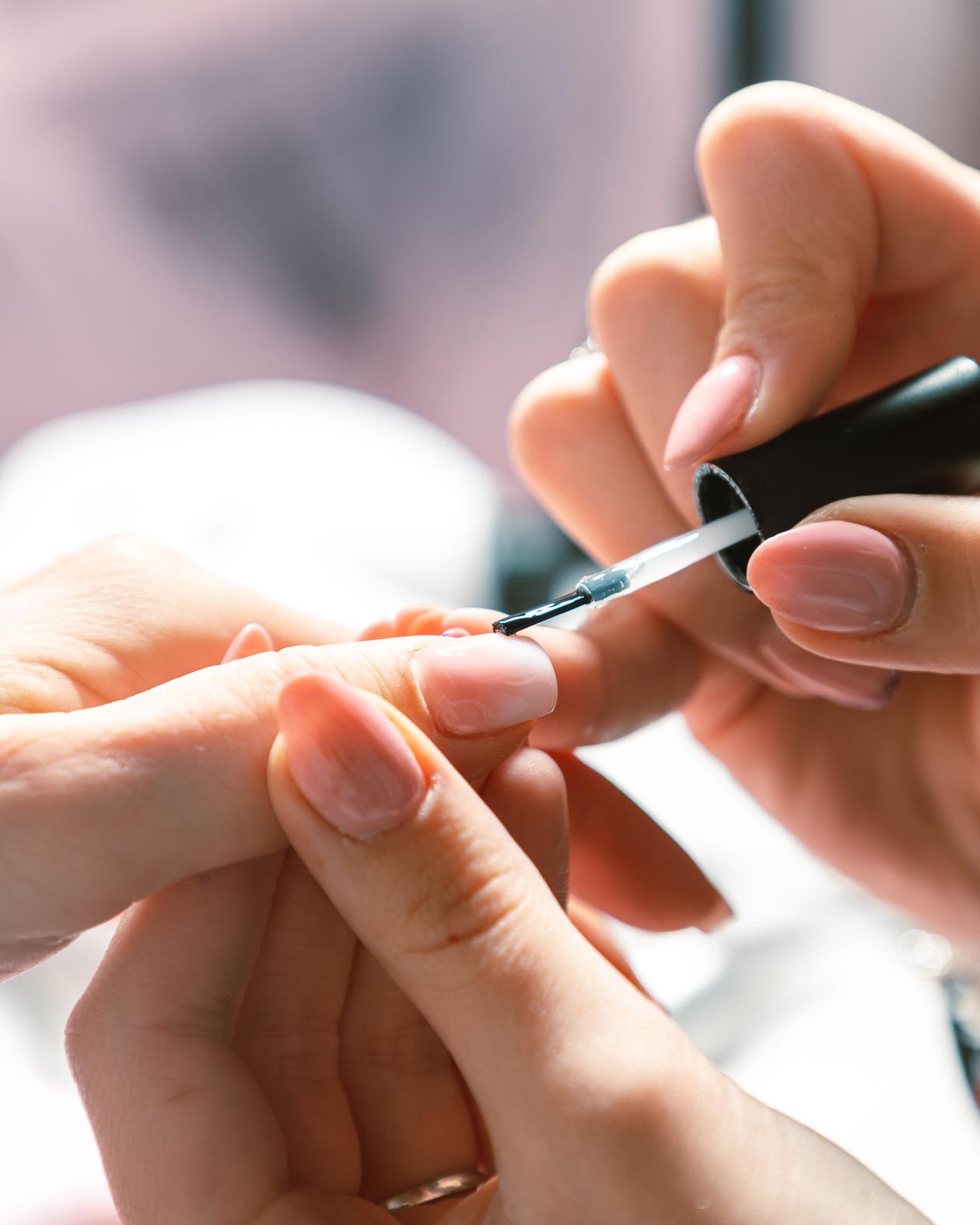
Water is first on the list. Long baths, dishwashing without gloves, and swim-heavy weeks work moisture under edges and soften the bond, especially at the tips. Second is using nails as tools: prying lids, peeling labels, scraping pans. Every one of those loads the free edge exactly where leverage is worst. Third is picking. A lifted corner invites fingers, and peeling a lifted section takes natural nail with it and ruins the surface the next set needs to grip. Fourth is stretching fills. A grown-out overlay is not just untidy; its built support sits in the wrong place, so an ordinary knock lands where the nail is least protected.
Some shortening factors are chemical. Sunscreen and insect repellent can dull and soften top coats. Certain cleaning solvents attack polish films. Acetone-based removers used to tidy skin or fix a smudge will damage the set they touch. None of these require a hermit lifestyle; rinsing hands after sunscreen and gloving up for cleaning covers most of it in a Piedmont summer.
What lengthens a set
The unglamorous trio: cuticle oil daily, which keeps the natural nail flexible under its coating; gloves for wet and dirty work; and tips treated as decoration, not equipment. Length plays a role too, since a shorter set takes less leverage per knock, and shape matters, with rounded shapes surviving longer than square corners at the same length. Finally, starting conditions count. A set applied over a healthy, well-prepped nail outlasts one applied over peeling damage, which is why a technician may recommend a shorter structured set while a damaged section grows out rather than a long set that will fail and be blamed on the system.
At Sue's Nail Shop in Kannapolis, the most useful question at the table is not how long a set can last but how long it should stay on your nails given your work and your fill schedule. Book the maintenance when you book the set, and the two-to-three-week norm stops being a disappointment and becomes the plan.
Timing a set backwards from an event
Wear ranges are averages, and averages are the wrong tool when a specific date matters: a wedding, a holiday trip, a week of photos. Work backwards instead. A set looks its best in its first week and stays presentable through its second; by the third, grow-out and tip wear are visible to anyone looking closely. For an event, book the set two to four days ahead rather than two weeks ahead, which leaves a small buffer for a repair while keeping the finish at its peak on the day itself. If the event falls mid-cycle on an existing set, a fill a few days before beats a full new set, because the structure is already proven on your nails and only the grow-out needs correcting. Mention the date when you book, since technicians plan thickness, length, and color choices differently for a set that has to peak on a Saturday than for one that just has to last the month.
Common questions
Is it bad to leave a set on for five weeks if it still looks fine?
The risk is structural rather than cosmetic. Grow-out shifts the support point forward, so a break becomes more likely and can tear lower on the natural nail.
Why did my set lift in the first week?
Early lifting usually traces to prep, oil or lotion on the nail at application, or heavy water exposure in the first days. Tell the salon promptly; early lifting is normally fixed as an application issue.
Does cuticle oil really extend a set's life?
Yes, modestly but reliably. Hydrated natural nail flexes with its coating instead of separating from it, which delays the edge lifting that ends most sets.
Photos in this guide are representative stock images.
← All guides from Sue's Nail Shop← Back to Sue's Nail Shop